What Attorneys Look for in a Testifying Expert Right Now
Attorneys aren't looking for the broadest resume anymore. They want the person who has built the exact thing in dispute and can defend that work out loud.
Imagine two experts applying for the same engagement. The first has three degrees, two hundred publications, and expertise across a dozen fields. The second has spent fifteen years designing one kind of equipment and has testified at trial twice.
Increasingly, the attorney calls the second one.
Depth beats breadth
When we present candidates, the most common feedback we hear from counsel is some version of this: "Very competent, but not deep enough in this specific technology."
Attorneys test fit with a simple question. Can this person discuss the core of the dispute from hands-on experience? Teaching a subject, modeling it, or reviewing papers on it is valuable. Under cross-examination, though, opposing counsel will ask, "Have you ever actually designed one?" Your answer can decide whether the jury believes you.
If you have a true specialty, lead with it. A narrow, deep profile wins more of the right engagements than a wide one.
Academics can compete on these terms. Lead with what you built: industry stints, consulting work, prototypes or a lab you set up. Publication counts come second.
Live testimony matters more than ever
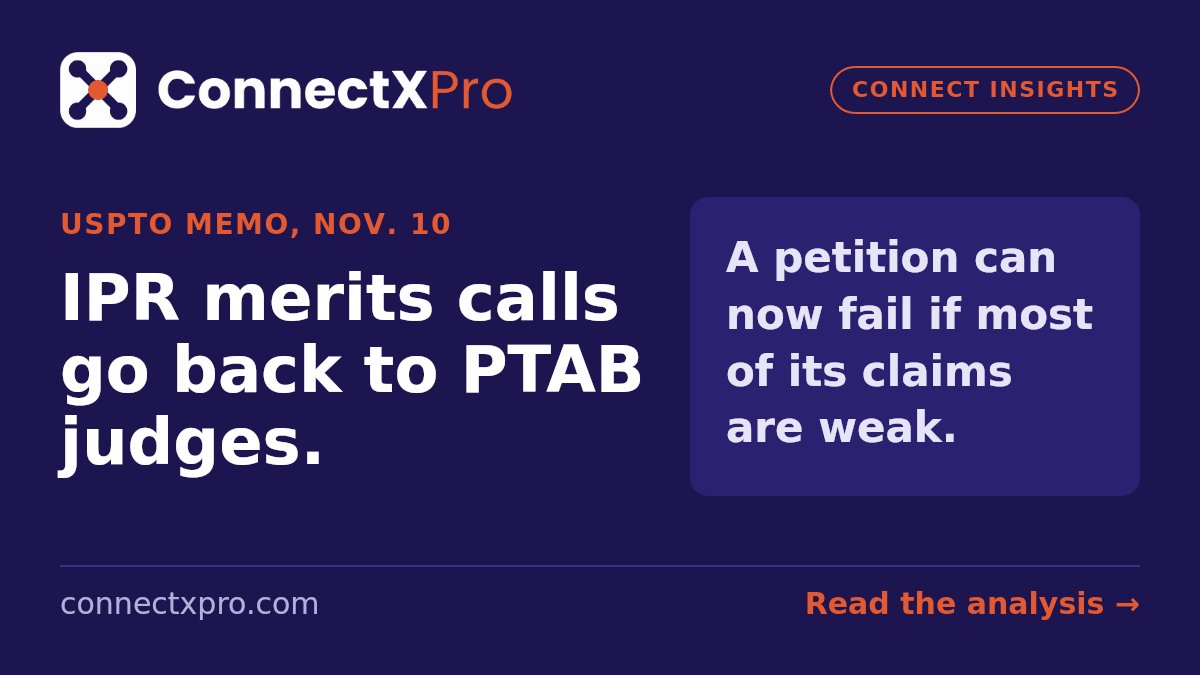
Fewer validity challenges are being decided at the Patent Office, and more are being fought in district court. PTAB petitions fell 70% year over year in the third quarter of 2026. District courts, meanwhile, took in 4,445 patent suits in 2025, up a quarter from 2024.
That changes the job. At the PTAB, an expert writes a declaration, sits for a deposition, and a panel of technically trained judges decides. In district court, the same expert faces a Daubert motion, then a jury of non-specialists and live cross-examination that can run for hours. If most of your litigation work has been PTAB declarations, attorneys will want to know how you hold up on the stand.
Attorneys now ask early about:
- Depositions. How many, and how recent.
- Trial or hearing testimony. Even one appearance sets you apart.
- Daubert history. Whether any court has excluded or limited your opinions, and why.
If your record is clean, say so plainly. If it isn't, say that too. Attorneys value a candid record over a polished one, because surprises hurt them most.
Many attorneys use the first call to test one more thing: whether you can explain the technology to someone with no technical background. Short answers, plain words, and a good analogy count for a lot. If you teach introductory courses or regularly brief non-technical executives, put that on your profile.
No testimony yet? Start here
Every testifying expert had a first case. If you haven't testified yet, a few routes lead there:
- Consulting expert work. Non-testifying consultants help counsel understand the technology and test their theories. You learn how a case runs without your name on a report.
- Working alongside a seasoned expert. On larger matters, a second expert often covers a narrower piece of the analysis.
- The skills you already have. Teaching, standards committee work, and talks to non-specialist audiences all suggest you can hold a room.
Say plainly on your profile that you're open to consulting roles. Many testifying careers start there.
What you've already said
Opposing counsel will read everything you have put on the record: papers, patents, textbooks, conference talks, earlier expert reports and transcripts of your past testimony. They are looking for one sentence that contradicts the opinion you're about to give.
Past testimony is the classic trap. An opinion you gave for another client, especially on the opposite side of a similar question, will be read back to you word for word.
Attorneys know this, so they ask about it early. Before you take an engagement, think through what you have written on the technology in dispute, and flag anything that could be read against the client's position. A statement you raise yourself is a manageable problem. One the other side finds at your deposition is not.
Clear answers on conflicts
Before your name ever reaches a client, you will be asked about ties to the parties, their competitors, and key suppliers. Fast, specific answers move you forward. "No known conflicts with these companies. I am independent and not employed by any manufacturer in this field" is the kind of reply that keeps a search moving.
The easiest way to answer fast is to keep a running list: past employers, consulting clients, earlier engagements and which side you worked for, research funding, and stock in companies in your field. Update it after every engagement, and a conflicts check takes minutes instead of days.
Speed and availability
Expert searches move fast. Counsel can have a shortlist within days, and the experts who reply first tend to get the first calls. Three habits keep you in the running:
- Reply within a day, even if only to say you're checking conflicts.
- Know your calendar. Have a clear answer on the trial dates and deposition windows you can commit to.
- Be upfront on rates. State your rates for review, deposition, and trial work early, so nobody spends a call finding out.
A profile attorneys can scan in 30 seconds
Attorneys often scan dozens of profiles in one sitting. The ones that get a call share five habits:
- A specific headline. "Chiller and compressor design engineer, 15 years" beats "Mechanical engineering expert."
- Industry experience kept separate from academic work. Put what you built in industry apart from what you researched or taught.
- A litigation summary up top. Total engagements, depositions, and trial testimony, with the most recent matter named where you are allowed to.
- Concrete projects. Name the equipment, the scale, and your role. "Designed and demonstrated a two-stage compressor system" shows what you did. "Thermal systems experience" does not.
- Honest edges. Note what you don't cover. It builds trust and saves everyone an interview.
Attorneys search ConnectXPro by technology. Make sure your headline names yours. Log in to ConnectXPro to update your headline, litigation summary, and CV, then browse the open opportunities that fit your specialty.
Source for filing data: LexDana. This article is for general information and is not legal advice.
Need an expert for your matter?
Submit a case brief in 5 minutes. 2+ vetted candidates in 24–72 hours — no cost to search.
Request an Expert →More from Connect Insights
All articles →